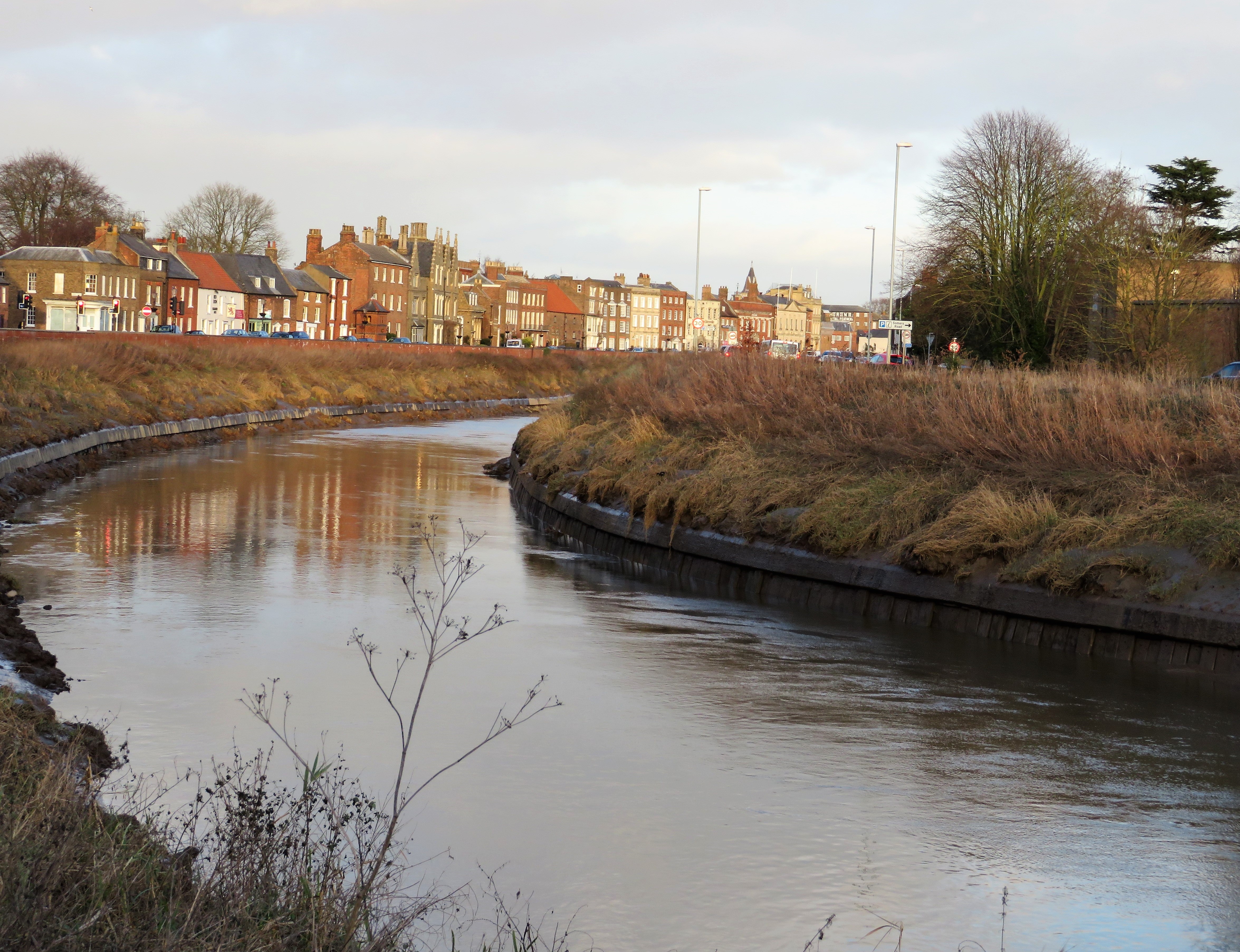
The Capital of the Fens
Wisbech is one of the oldest towns in the Fenland region of Cambridgeshire. Situated where the River Nene meets the flat expanses of the Fens, it developed as a significant port and market town from at least the early medieval period.
During the seventeenth and eighteenth centuries, the drainage of the Fens transformed the agricultural landscape, and Wisbech - already well-placed on the Nene - flourished as a prosperous trading town. The wealth generated from this period is written in stone along North Brink and Museum Square, where some of England's finest Georgian townhouses still stand.
By the nineteenth century, Wisbech had produced two of Britain's most significant social reformers: Thomas Clarkson, whose tireless campaigning contributed directly to the abolition of the British slave trade, and Octavia Hill, co-founder of the National Trust.
Saxon Origins
Wisbech is first recorded in documents associated with the Abbey of Ely. The name likely derives from Old English, meaning something close to "the back of the River Wissey." Read more
Domesday Book
William the Conqueror's survey records Wisbech with 73 households, 30 ploughlands, a castle, a mill, and a value of £12 - held by the Abbot of Ely. Read more
Fenland Drainage
Dutch engineer Cornelius Vermuyden leads drainage projects that transform the flooded Fenland into productive agricultural land, reshaping Wisbech's fortunes as a market town. Read more
Georgian Prosperity
Wisbech flourishes as a port and market town. The magnificent Georgian streetscapes of North Brink and Museum Square are built during this period. Read more
Peckover House
The house now known as Peckover House is built on North Brink, later acquired by the Peckover family - Quaker bankers whose influence shaped the town. Read more
Thomas Clarkson Born
Thomas Clarkson, future abolitionist and campaigner, is born in Wisbech on 28 March 1760. His work would contribute directly to the Slave Trade Act of 1807. Read more
Angles Theatre Opens
The Angles Theatre is built on Alexandra Road, one of the oldest purpose-built theatres in England. Still staging a full programme today.
Elgood's Brewery
North Brink Brewery is established on North Brink. Taken over by the Elgood family in 1878, it remains one of England's last family-owned Georgian breweries. Read more
Abolition of the Slave Trade
The Slave Trade Act passes, in large part through the campaigning of Wisbech-born Thomas Clarkson alongside William Wilberforce. Read more
Wisbech Museum Founded
The Wisbech Museum Society is established - one of the earliest provincial museum societies in England - moving to its purpose-built Victorian building in 1847.
Octavia Hill Born
Octavia Hill, future co-founder of the National Trust, is born in Wisbech on 3 December 1838. Read more
Dickens Manuscript Bequeathed
The original manuscript of Great Expectations is bequeathed to Wisbech Museum by the Revd Chauncy Hare Townshend, a friend of Dickens. Read more
Food Canning Industry
Smedley's opens one of England's first major canning factories in Wisbech, pioneering the industrial preservation of peas and soft fruits. Read more
Peckover to the Nation
Peckover House and its extraordinary walled garden are given to the National Trust, ensuring their preservation for future generations. Read more